
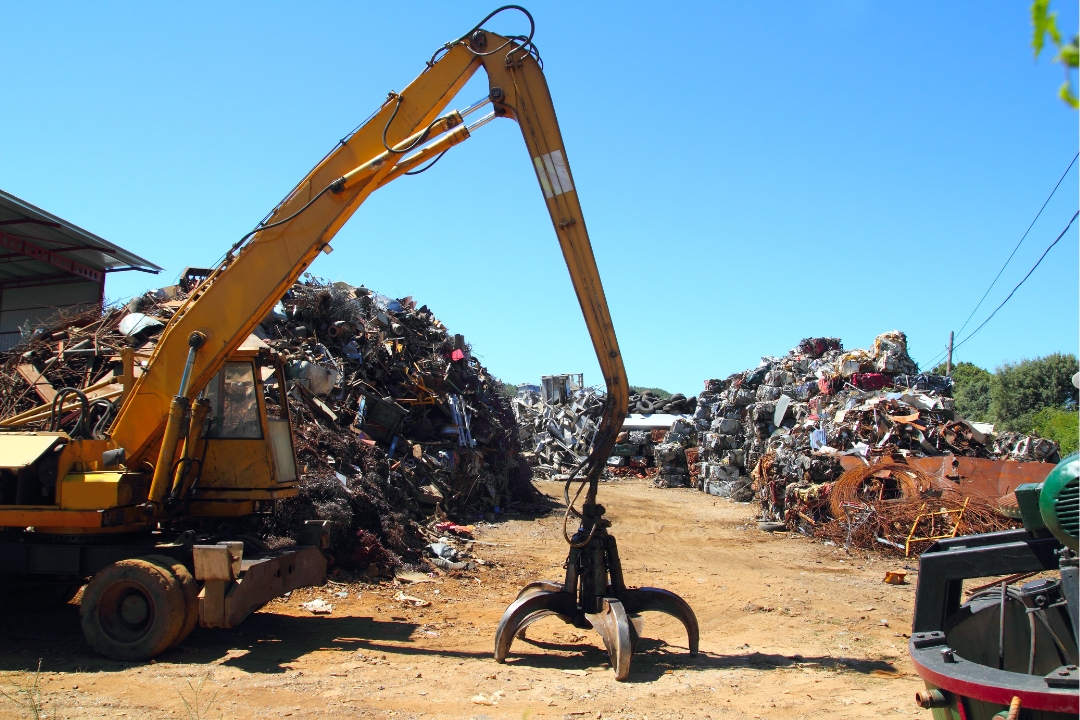
As industries grow and technology advances, the demand for metals continues to rise. However, traditional metal mining is resource-intensive and has a significant environmental impact. Recycling scrap metals has never been more crucial—it helps conserve natural resources, reduces pollution, and supports sustainable development.
1. Environmental Conservation
Mining metals requires large amounts of energy, disrupts ecosystems, and generates toxic waste. Recycling scrap metals cuts down on the need for new mining operations, reducing carbon emissions, water consumption, and habitat destruction.
2. Energy Savings
Manufacturing metals from raw ore demands a staggering amount of energy. Recycling aluminum, copper, steel, and other metals requires much less energy—up to 95% less for aluminum, compared to producing it from raw materials.
3. Economic Benefits
The scrap metal recycling industry creates jobs and boosts local economies. It also provides manufacturers with cost-effective raw materials, making metal products more affordable while reducing dependency on imported metals.
4. Reduction of Landfill Waste
Discarded metal items, such as appliances, electronics, and construction debris, take up unnecessary space in landfills. Recycling these materials ensures that valuable metals are repurposed rather than left to deteriorate and contribute to waste management challenges.
5. Supply Chain Sustainability
With global metal supplies fluctuating due to geopolitical and environmental concerns, recycling offers a stable and reliable source of raw materials. It helps industries maintain production without excessive mining or depletion of finite resources.
6. Supporting Circular Economy Practices
Metal recycling embodies the circular economy model, where materials are continually reused rather than discarded. This sustainable approach minimizes waste and promotes resource efficiency.
Conclusion
Recycling scrap metals is more than a practical solution—it’s an urgent necessity in today’s world. By reducing environmental impact, conserving energy, strengthening economies, and promoting sustainable manufacturing, it plays a vital role in shaping a greener future.